In Kürze
Worum geht es in dem Podcast?
Nicolas Enriquez is a nursing scientist and a lecturer for nursing, nursing-assistant and nursing-management professions. Note: He also works as a consultant for 420 Pharma (organizer and sponsor of this conference) — this contribution reflects his personal opinion and is aimed at medical professionals.
In his trailer for the Circle of Experts 2026, he combines nursing and pharmaceutical perspectives and discusses the role of aroma care as a possible building block of nursing support for patients undergoing cannabinoid-based therapy. Specific statements on efficacy or indications remain reserved for the specialist medical consultation — this contribution does not replace medical advice.
Drei Formate an einem Tag - der Circle of Experts
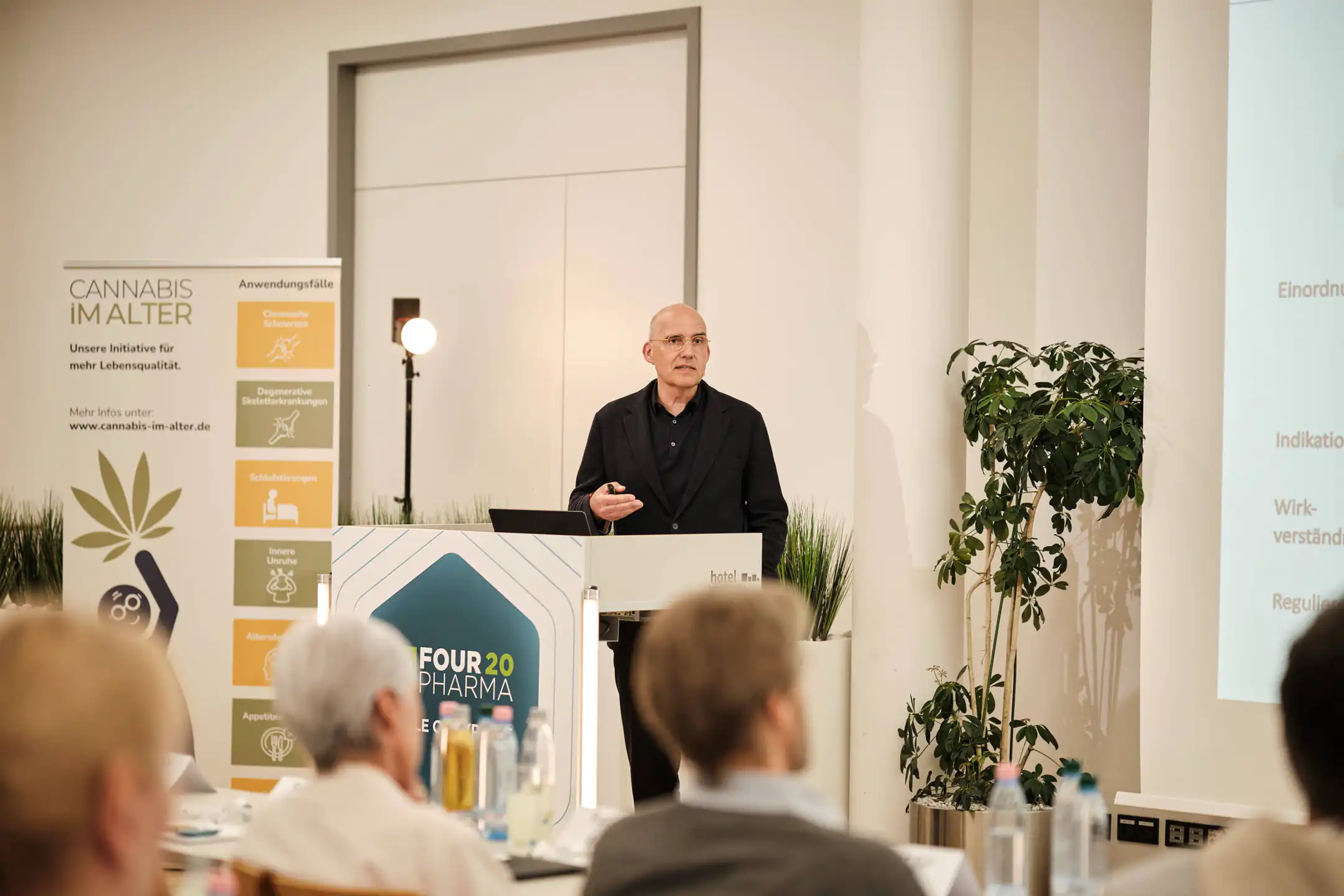
Fachvorträge
Klinische Praxis aus Schmerz- und Palliativmedizin, Neurologie, Pharmakologie, Pflege und Apotheke. Kurze Slots, hoher Praxisbezug, Q&A direkt im Anschluss.

Fachdiskussionen
Moderierter Austausch zwischen Klinik, Praxis, Apotheke und Pflege. Themen werden vorab gesammelt und gemeinsam priorisiert.

Netzwerken
Klinik, Praxis, Apotheke und Pflege kommen in kleinen Tischrunden gezielt miteinander ins Gespräch, vertiefen Kontakte aus dem Tagesprogramm und knüpfen neue Verbindungen.
Die Fachexpert:innen
Klinik, Forschung, Apotheke und Pflege — die Sprecher:innen kommen aus den Bereichen, in denen Medizinalcannabis täglich angewendet wird.
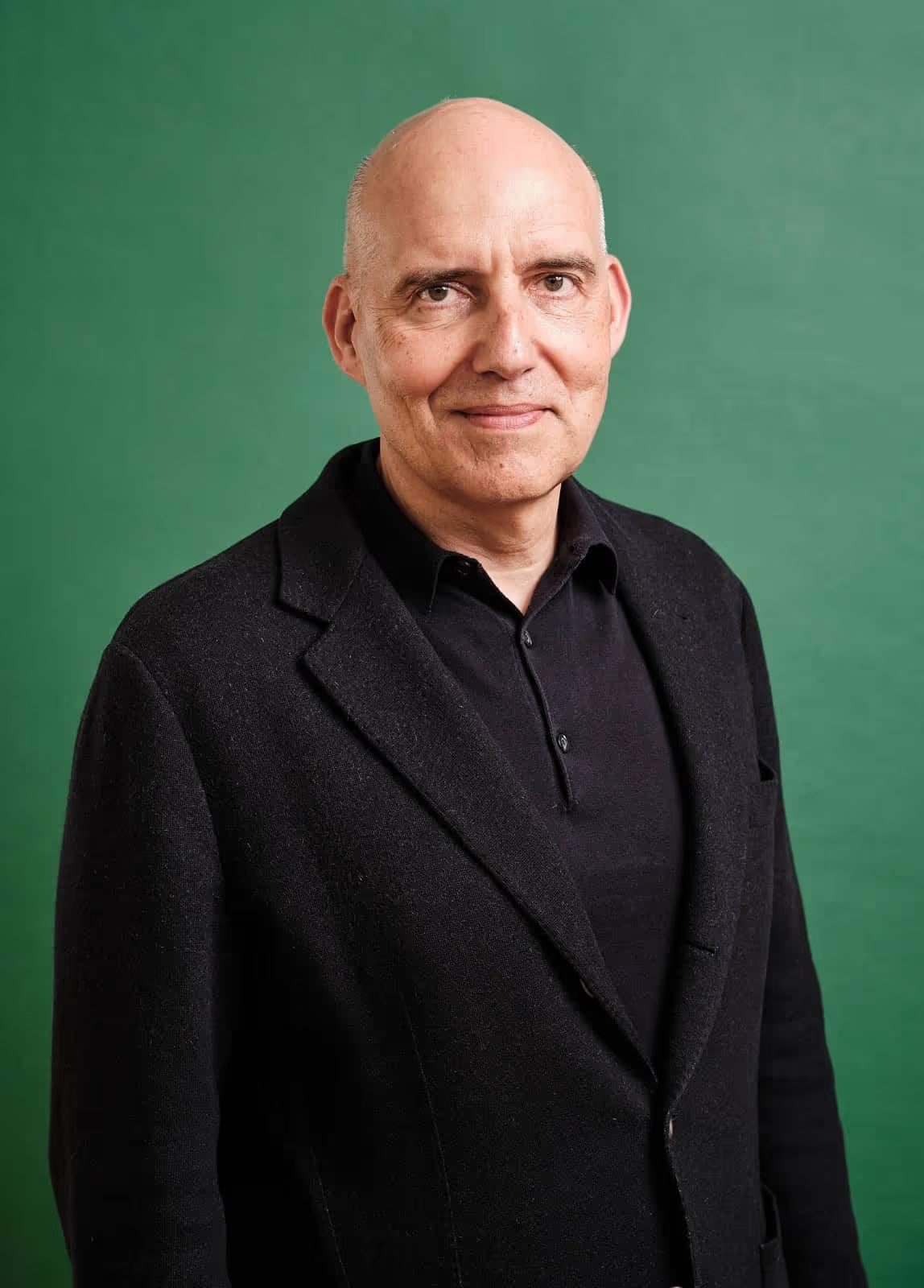
Prof. Dr. mult. Eckhard Nagel
Prof. Dr. mult. Eckhard Nagel is Managing Director of the Institute of Medical Management and Health Sciences at the University of Bayreuth. At the Circle of Experts, he examines the ethical aspects of medical cannabis therapy and advocates for real-world studies.

Prof. Dr. med. Thomas Herdegen
Prof. Dr. med. Thomas Herdegen is a specialist in pharmacology and toxicology and was for many years deputy head of the Institute of Experimental and Clinical Pharmacology at UKSH Kiel. He is co-author of the Cannabis practice guideline and recipient of the German Pain Award 2024.

Dr. med. Dipl.-Chem. Konrad F. Cimander
Dr. med. Dipl.-Chem. Konrad F. Cimander is a specialist in general and addiction medicine, heads the K.C.M. Hannover Competence Center for cannabis medicine and is President of the German Medical Cannabis Society (DMCG). He is a lecturer on addiction medicine, psychopharmacology and cannabis medicine.


Dr. med. Matthias Giesel
Dr. Matthias Giesel is a specialist in anesthesiology and heads the pain clinic at Marienkrankenhaus Soest as well as the practice for pain therapy and palliative medicine at the Hospitalverbund MVZ Soest. He works as a consultant to the pharmaceutical industry on medicinal cannabis.
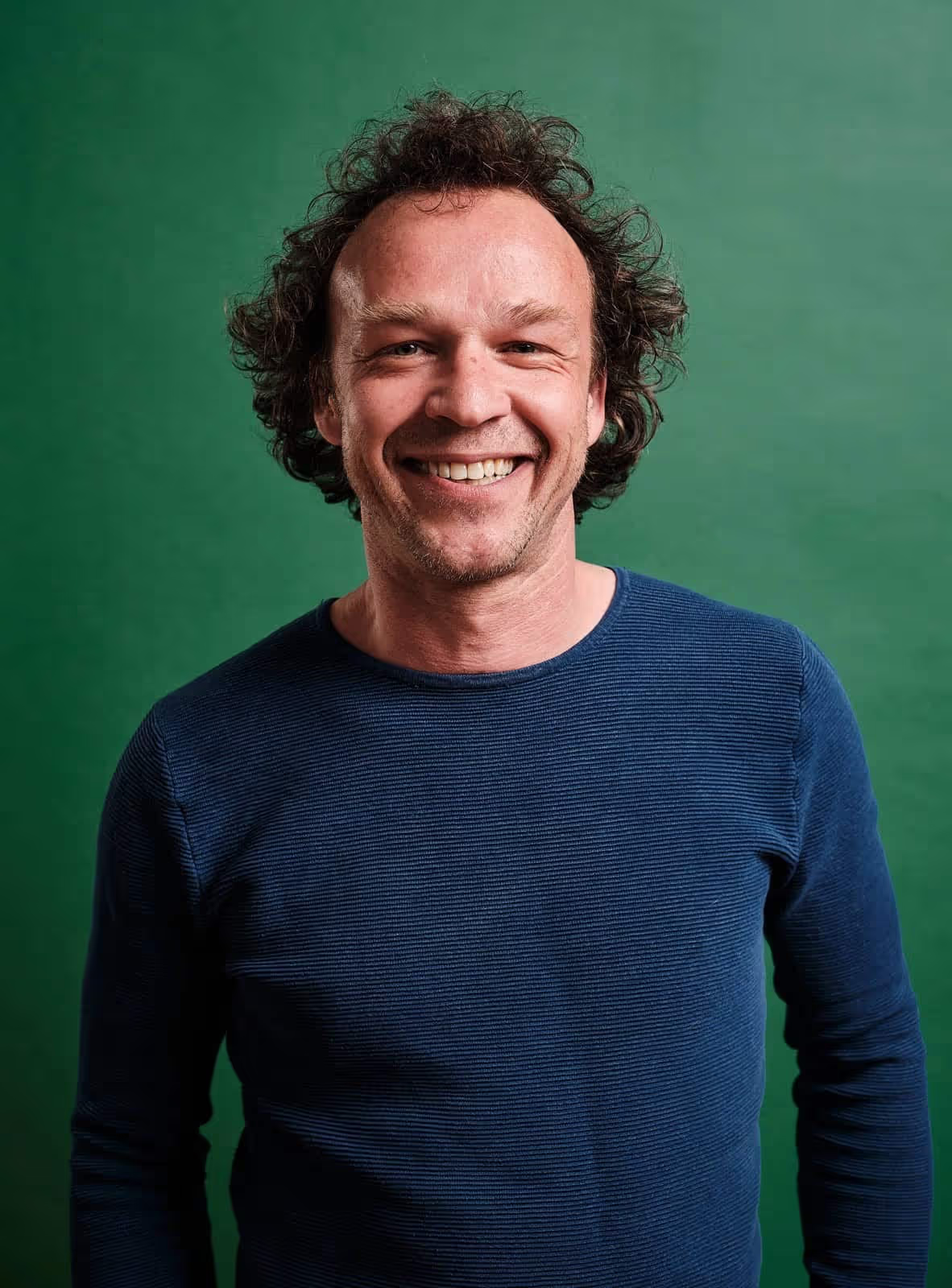
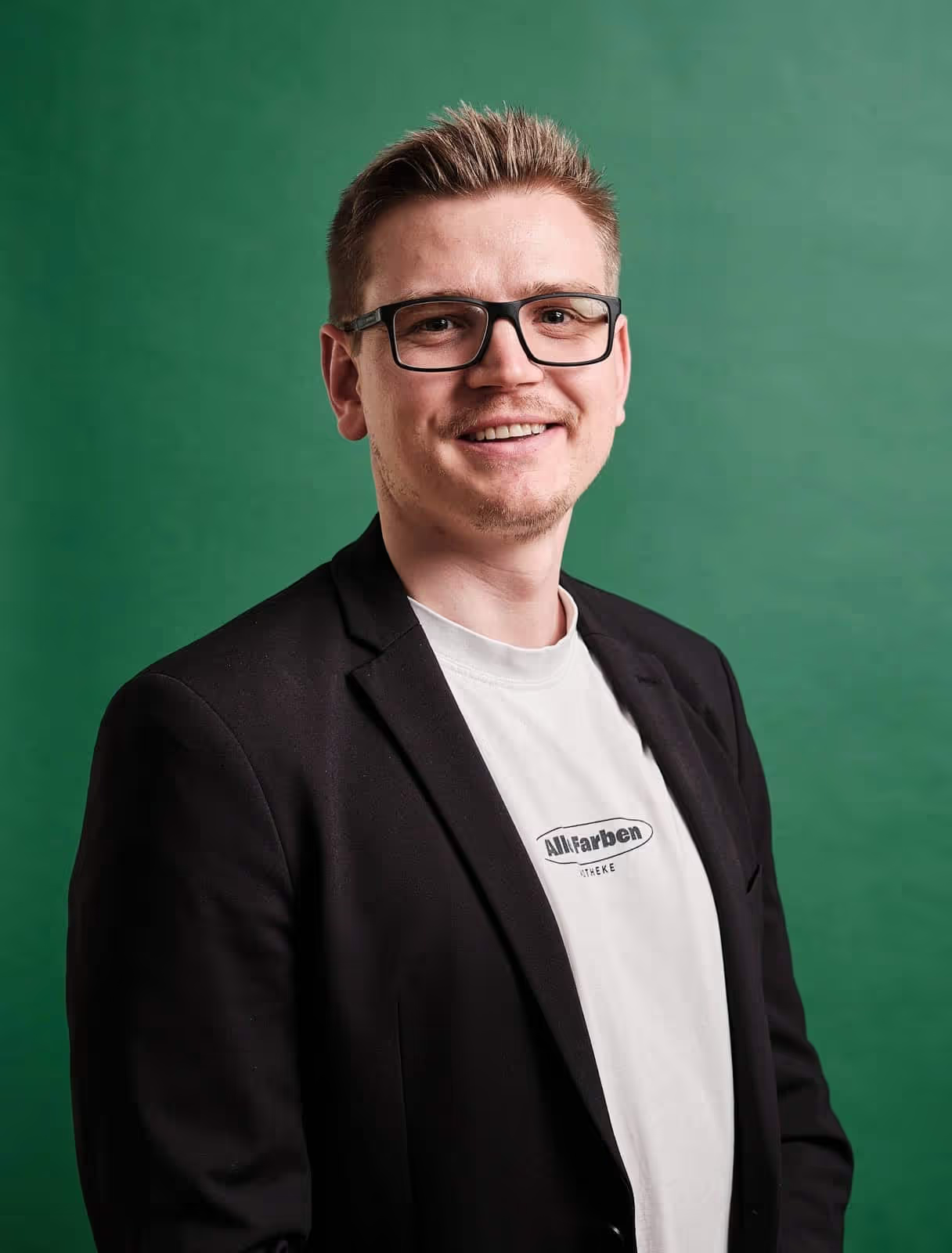

Sascha Saßen
Sascha Saßen holds a degree in nursing management (Diplom-Pflegewirt), is a certified pain expert (CEKIP) and has been CEO of the hesena Group since April 2025. At the Circle of Experts he spoke on pain management in inpatient long-term care and on the medication process in nursing and palliative care.
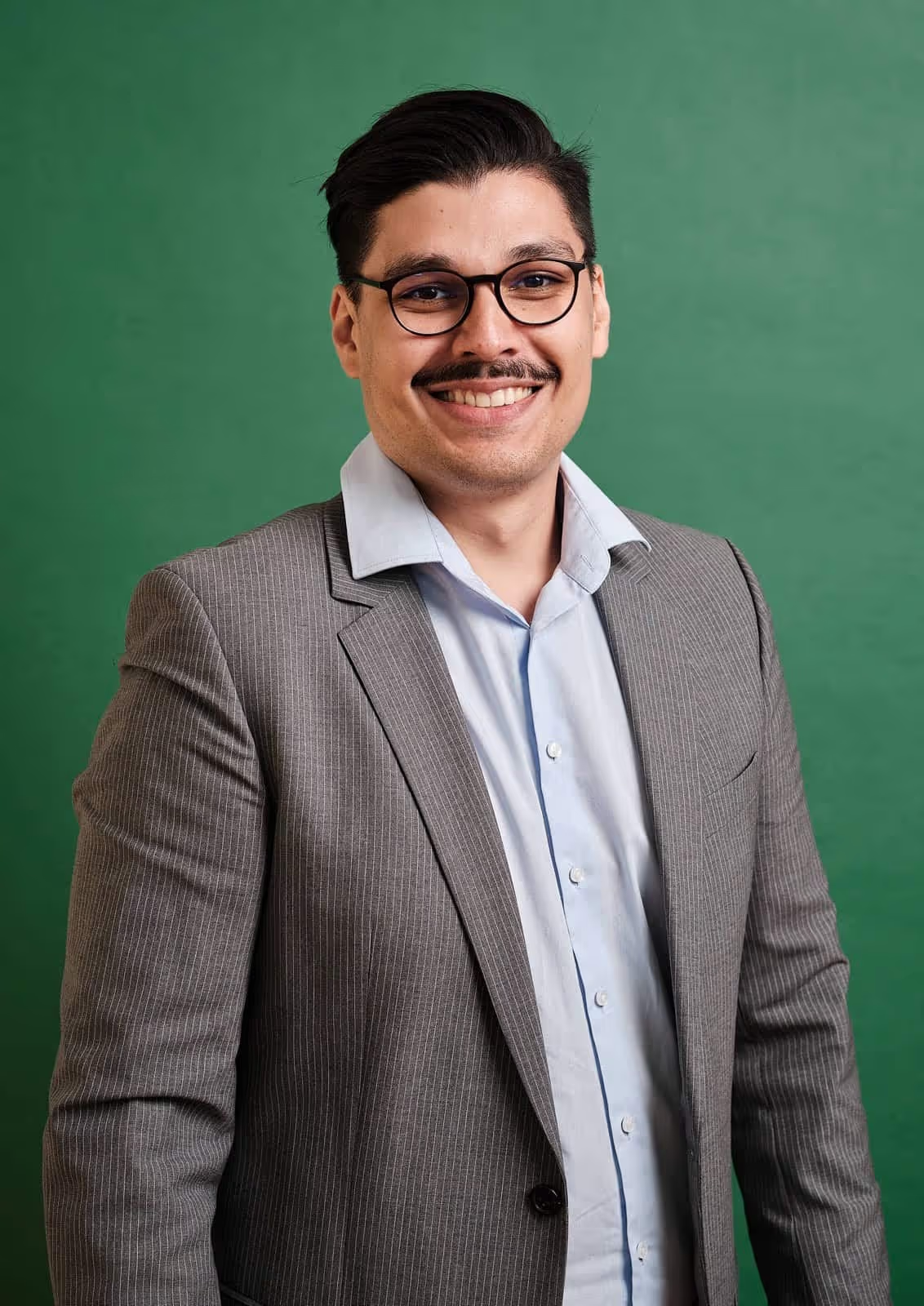
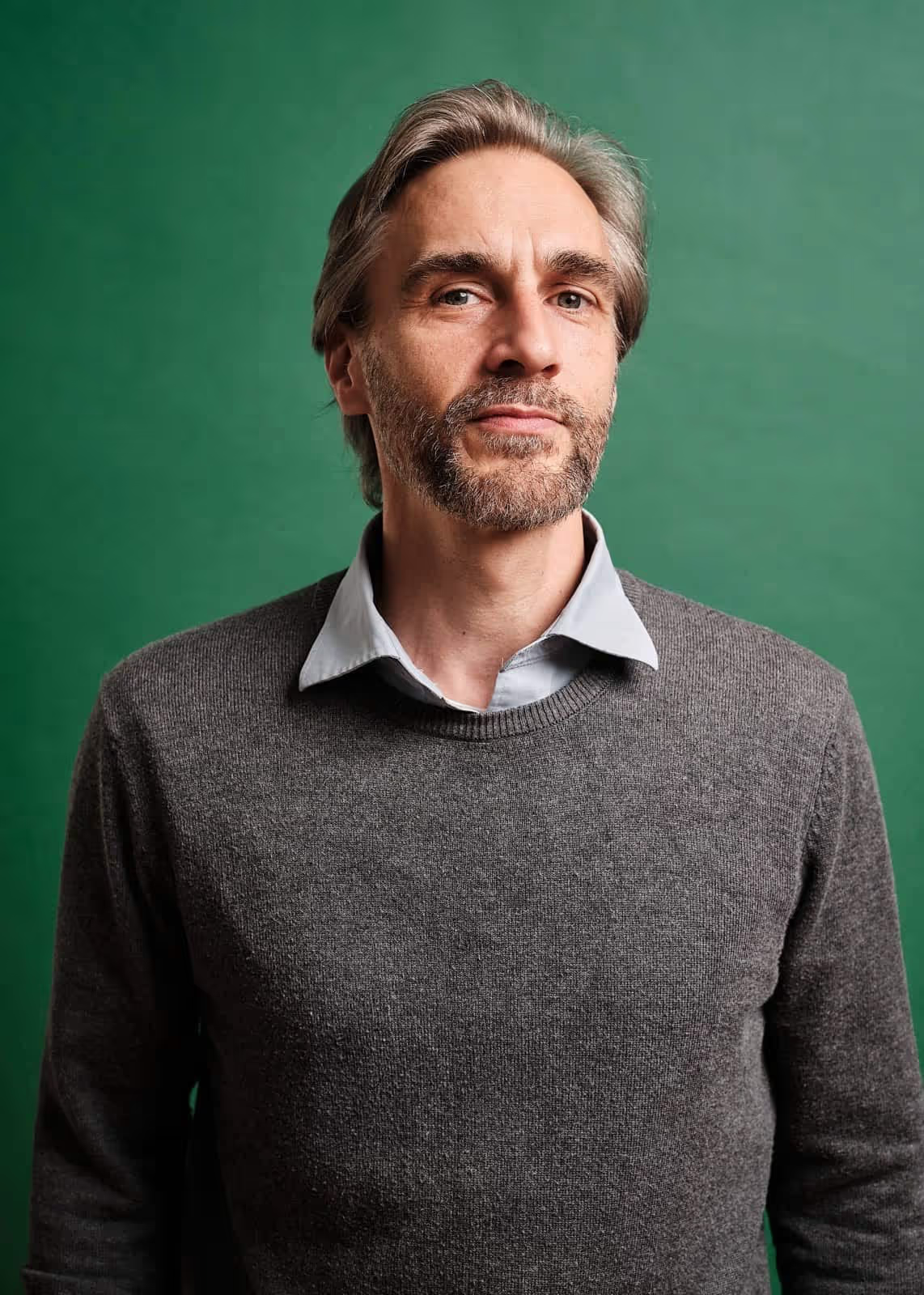
André Ihlenfeld
Dr. André Ihlenfeld is a specialist in anesthesiology and a pain physician, as well as Medical Director at Copeia, where he is responsible for projects on patient-reported data collection under cannabis therapy (including the Physicians Experience Platform). He is co-author of publications on cannabis-based medicines.
Weitere Informationen
[00:00] — Introduction of Nicolas Enriquez and his nursing-science role (with sponsorship note 420 Pharma)
[01:10] — How aroma oils differ pharmacologically from essential oils
[02:05] — Terpenes and their role in nursing support — an overview without claims of efficacy
[03:00] — Aroma care in the interprofessional team — limits and indication reference
Mein Name ist Nicolas Enriquez. Man kennt mich, oder ich war letztes Jahr hier selbst einfach nur als Teilnehmer, aber damals auch noch vor allem in meiner Patientenfunktion. Heute spreche ich aus pflegewissenschaftlicher Perspektive. Hinweis: Ich bin zudem als Berater bei 420 Pharma tätig — die folgenden Ausführungen spiegeln meine persönliche Auffassung wider und richten sich an medizinische Fachkreise.
Wenn wir uns Aromaöle erstmal genauer anschauen, dann sind das nicht nur irgendwelche Duftstoffe, die wir riechen, sondern es sind komplexe Duftgemische aus vielen einzelnen Komponenten. Häufig Terpene, manchmal noch Alkohole, Ester, Schwefelverbindungen mit dabei. Aber das, was wir ganz, ganz häufig sehr stark wahrnehmen, wenn wir an Lavendel denken, dann nehmen wir zum Beispiel Terpene wahr. Und diese Aromastoffe haben eben diese riesengroße Komplexität: Wenn wir sagen, wir haben 100 Aromastoffe darin oder 100 bestimmte Bestandteile, dann haben wir potenziell 100 oder noch mehr potenzielle Wirkungsmechanismen, weil sie letztendlich in unserem biochemischen System eine Andockstelle haben.
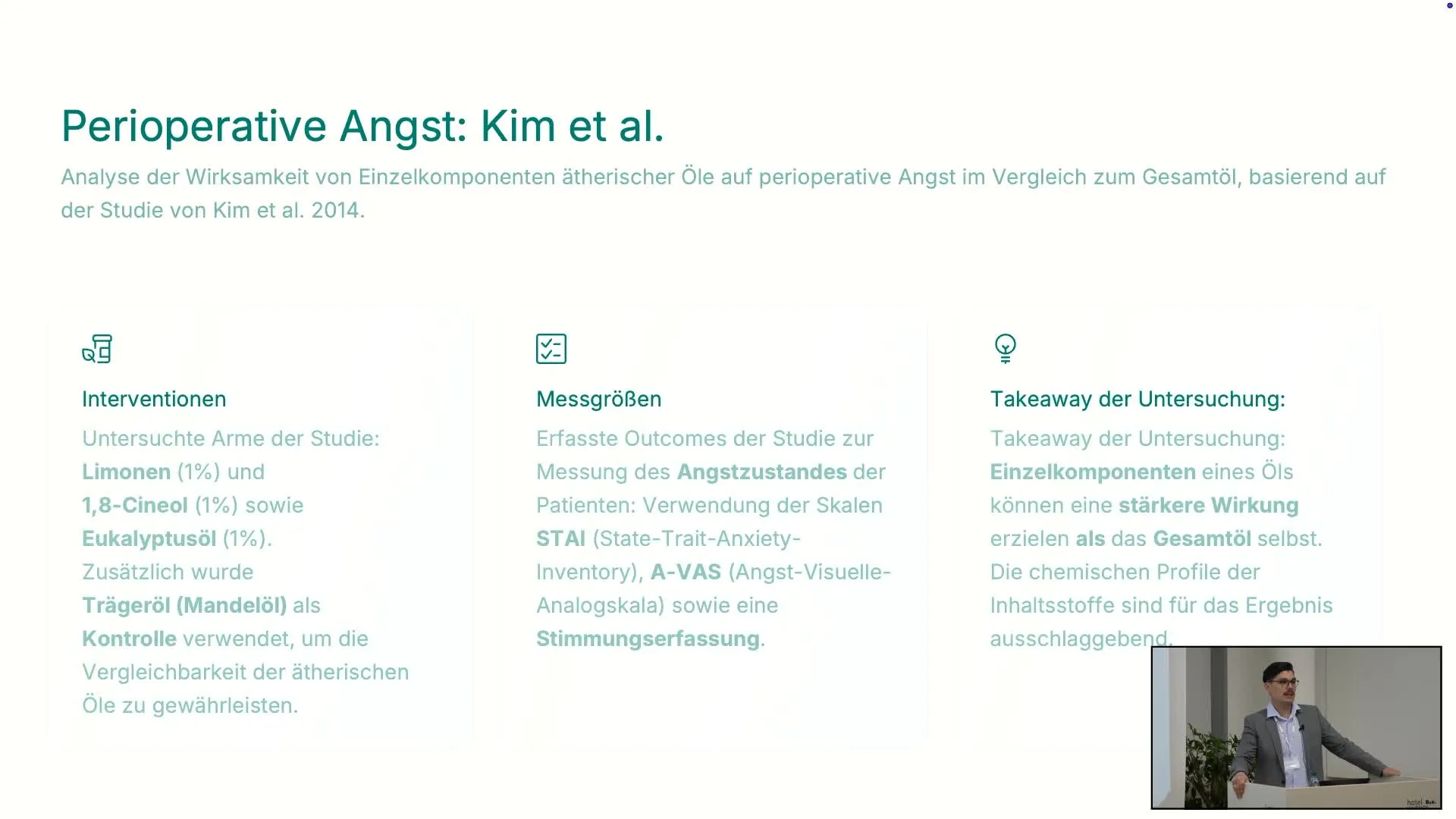
Wir hatten einen Arm, der ausschließlich mit Limonen, also mit dem einzelnen Duftstoff aus diesem Aromastoff, als Medikament behandelt wurde. Dann wurde ein Präparat mit Cineol gegeben. Dann wurde ein Präparat mit Eukalyptusöl, also wirklich das Vollpräparat, gegeben, und dann wurde noch eine Gruppe mit Mandelöl sozusagen verglichen. Wir hatten standardisierte Angstskalen, die letztendlich zur Stimmungserfassung genutzt worden sind, davor und danach, um den Vergleich auch tatsächlich vergleichen zu können. Und was haben wir am Ende herausgefunden oder was war am interessantesten? Dass eben das Cineol das Produkt war, was am stärksten die Angst reduzieren konnte. Nicht das Eukalyptusöl selbst oder das Limonen, sondern an der Stelle eben Cineol.
Was wichtig ist, ist natürlich, dass wir diesen Prozess standardisieren. Wir benutzen gleiche, standardisierte Assessments, um einen Vergleichswert für vor und danach zu haben. Wir schauen auf Allergie-Risiken, wir schauen auf die Lagerung dieser Produkte. Sie können sich natürlich alle selbst einfach den Aromastoff in der Apotheke holen, aber der wichtige Unterschied zur klinischen Anwendung ist, wie bei allen anderen Medikamenten auch: Wir haben eine Beobachtung, wir bringen es in den Pflegeprozess mit ein und können dadurch die entsprechende Therapie mit begleiten oder sogar deutlich besser steuern, als es nur von der Verordnung aus der ärztlichen Seite kommt.
Und wenn wir jetzt hier schauen — Alpha-Pinen, Delta-Limonen, Beta-Myrcen, Beta-Caryophyllen — was haben wir da vielleicht für hypothetische Wirkungen, die wir damit erzielen können? Und das ist eben genau das Gleiche, das wir in der Aromapflege machen. Wir haben ein Aromaöl, wir schauen, welche Wirkung dieses Aromaöl auf diesen Patienten oder diese Patientin haben könnte. Welche Leidensbereiche möchten wir gerade lindern? Mit einem Alpha-Pinen haben wir vielleicht eine klärende, eine konzentrierende Wirkung. Mit einem Delta-Limonen haben wir eine Stressreduktion. Beta-Caryophyllen wird in der Forschung als Bestandteil pharmakologischer Diskussionen untersucht — konkrete therapeutische Aussagen sind dem fachärztlichen Gespräch vorbehalten. Die Wechselwirkungen zwischen CBD und THC am Endocannabinoidsystem sind Gegenstand laufender Forschung — Details bleiben dem fachärztlichen Gespräch vorbehalten.