In Kürze
Worum geht es in dem Podcast?
Prof. Dr. mult. Eckhard Nagel, Managing Director of the Institute of Medical Management and Health Sciences at the University of Bayreuth, opens his trailer for the Circle of Experts 2026 with a critical assessment of where things stand: is the clinical evidence available today on cannabis as a medicine really sufficient, or are we underestimating the need for structured research, interdisciplinary exchange and medical continuing education? Nagel takes a clear position — the debate is too early for final conclusions, and everyday application calls for more robust data and more intensive dialogue between the disciplines.
In his talk, Nagel spans the medical-historical arc from Indian Ayurveda via Sir William Brooke O'Shaughnessy's pioneering 1843 publication to today's worldwide use of cannabis as a medicinal plant and medicine. In doing so, he poses the central question of differentiation: are we talking about a traditionally used medicinal plant or about a modern medicine with clearly defined indications? The answer, says Nagel, shapes not only the therapeutic self-image but also the regulatory requirements for prescription, dosing and quality assurance of the cannabinoids used.
His plea is directed at the international perspective: while regions such as Thailand or South America pursue their own paths of cannabis integration, a uniform medical standard is lacking globally. In this context, Nagel expressly defends the role of the WHO as a guarantor of a uniform concept of health and at the same time warns that German and European cannabis therapy must meet the same evidence-based conditions as any other medicine — from the clinical evidence base to medical indication. A methodologically grounded introduction to the 2026 specialist conference on medical cannabis.
Drei Formate an einem Tag - der Circle of Experts
Fachvorträge
Klinische Praxis aus Schmerz- und Palliativmedizin, Neurologie, Pharmakologie, Pflege und Apotheke. Kurze Slots, hoher Praxisbezug, Q&A direkt im Anschluss.

Fachdiskussionen
Moderierter Austausch zwischen Klinik, Praxis, Apotheke und Pflege. Themen werden vorab gesammelt und gemeinsam priorisiert.

Netzwerken
Klinik, Praxis, Apotheke und Pflege kommen in kleinen Tischrunden gezielt miteinander ins Gespräch, vertiefen Kontakte aus dem Tagesprogramm und knüpfen neue Verbindungen.
Die Fachexpert:innen
Klinik, Forschung, Apotheke und Pflege — die Sprecher:innen kommen aus den Bereichen, in denen Medizinalcannabis täglich angewendet wird.
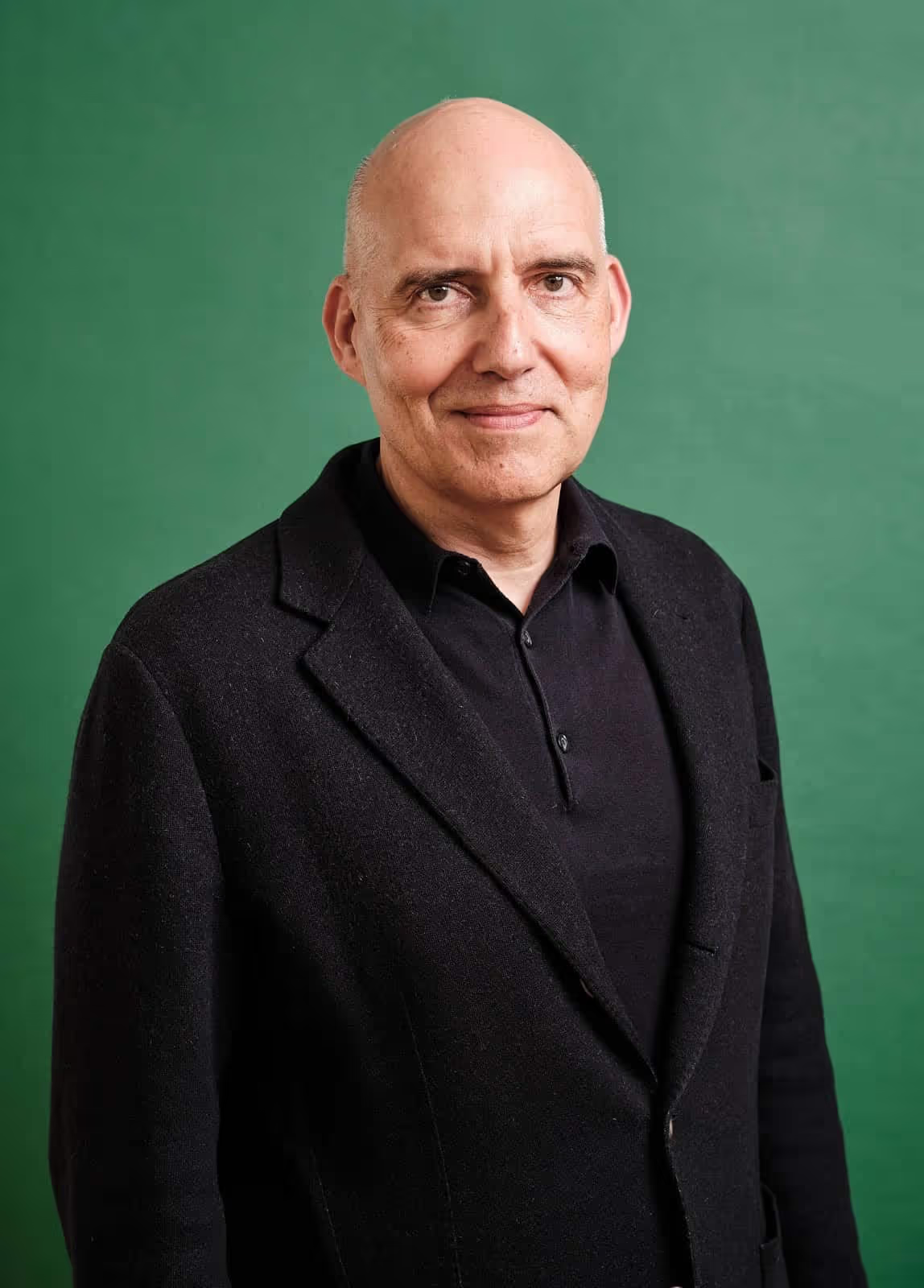
Prof. Dr. mult. Eckhard Nagel
Prof. Dr. mult. Eckhard Nagel is Managing Director of the Institute of Medical Management and Health Sciences at the University of Bayreuth. At the Circle of Experts, he examines the ethical aspects of medical cannabis therapy and advocates for real-world studies.

Prof. Dr. med. Thomas Herdegen
Prof. Dr. med. Thomas Herdegen is a specialist in pharmacology and toxicology and was for many years deputy head of the Institute of Experimental and Clinical Pharmacology at UKSH Kiel. He is co-author of the Cannabis practice guideline and recipient of the German Pain Award 2024.

Dr. med. Dipl.-Chem. Konrad F. Cimander
Dr. med. Dipl.-Chem. Konrad F. Cimander is a specialist in general and addiction medicine, heads the K.C.M. Hannover Competence Center for cannabis medicine and is President of the German Medical Cannabis Society (DMCG). He is a lecturer on addiction medicine, psychopharmacology and cannabis medicine.


Dr. med. Matthias Giesel
Dr. Matthias Giesel is a specialist in anesthesiology and heads the pain clinic at Marienkrankenhaus Soest as well as the practice for pain therapy and palliative medicine at the Hospitalverbund MVZ Soest. He works as a consultant to the pharmaceutical industry on medicinal cannabis.
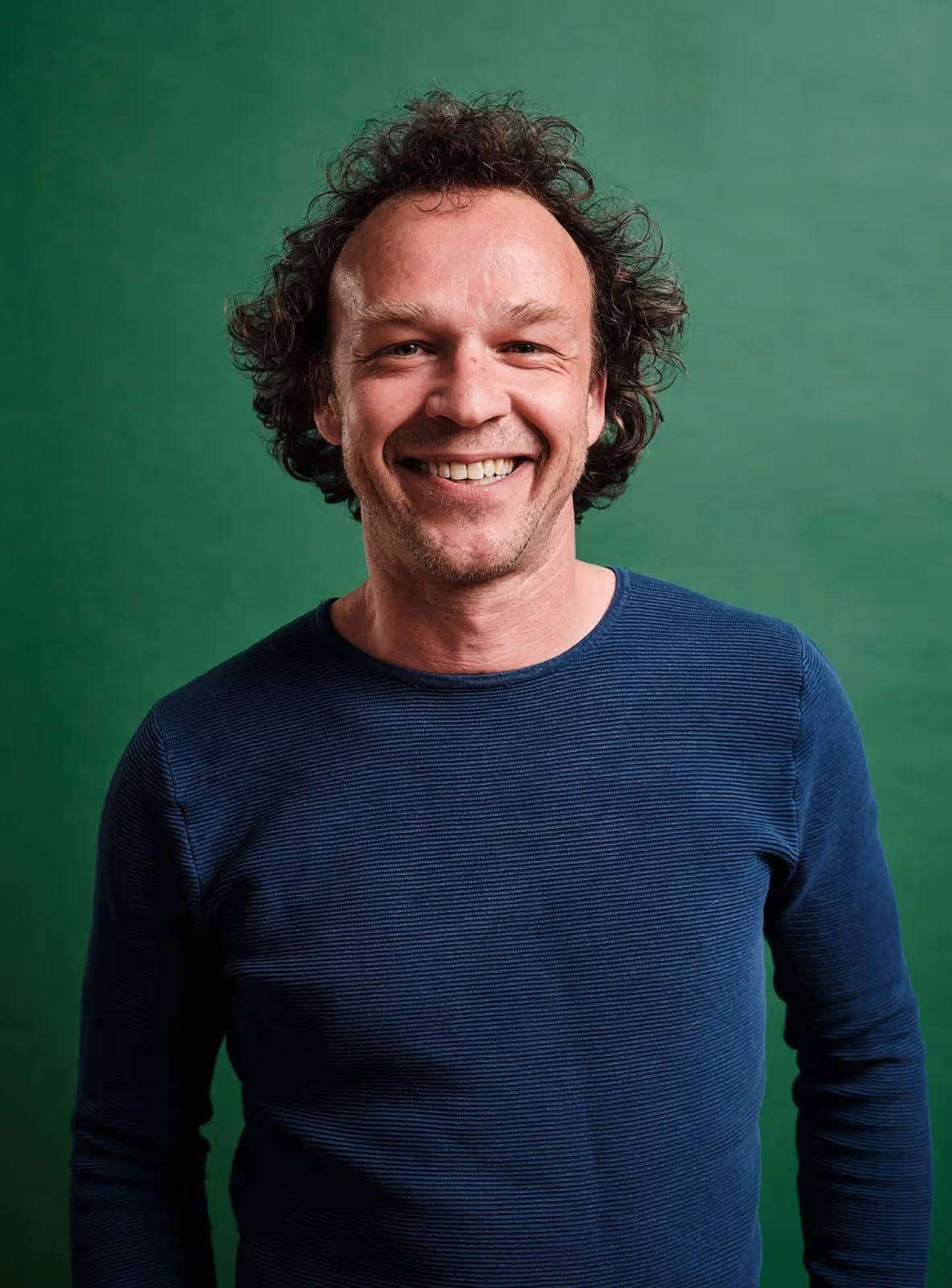
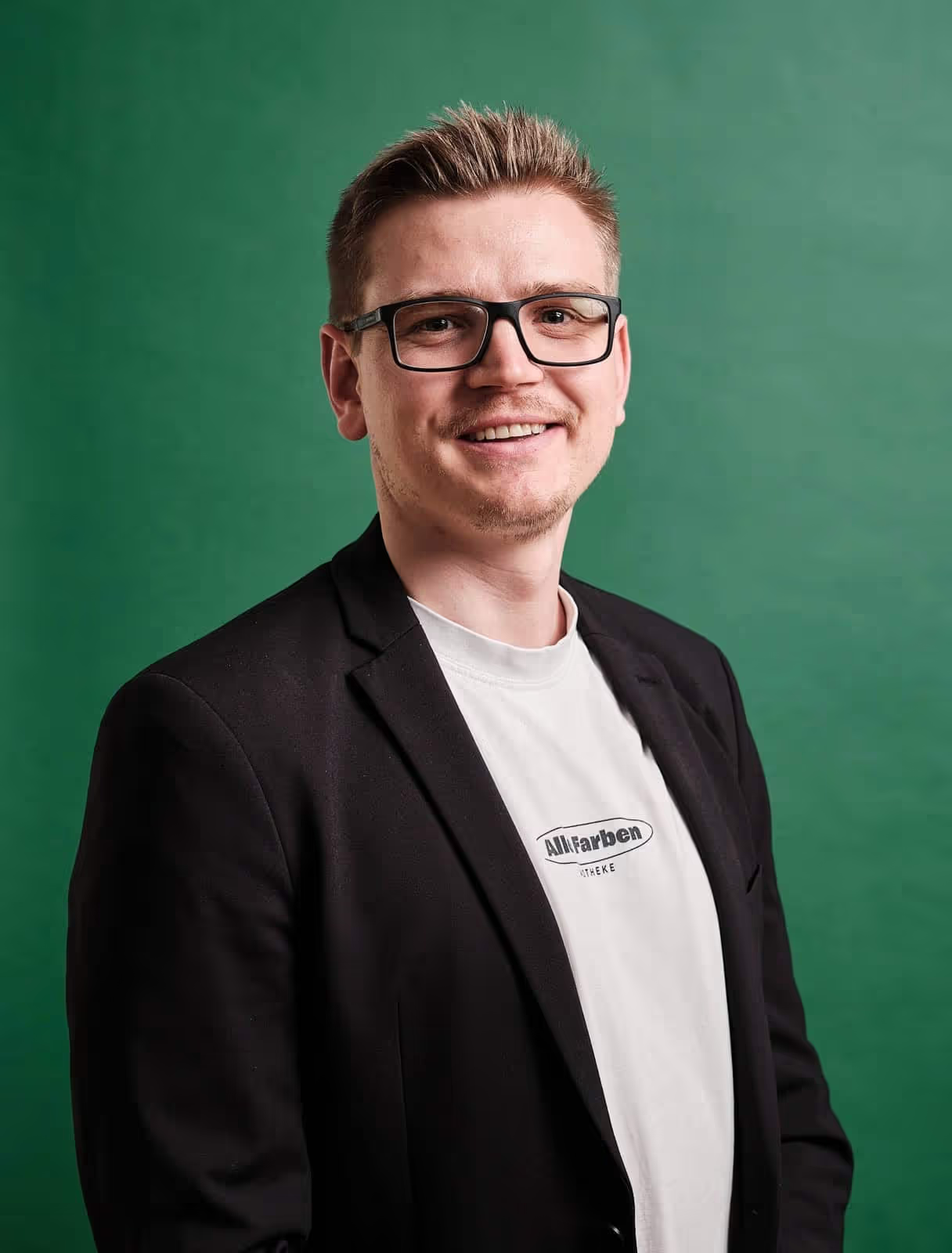
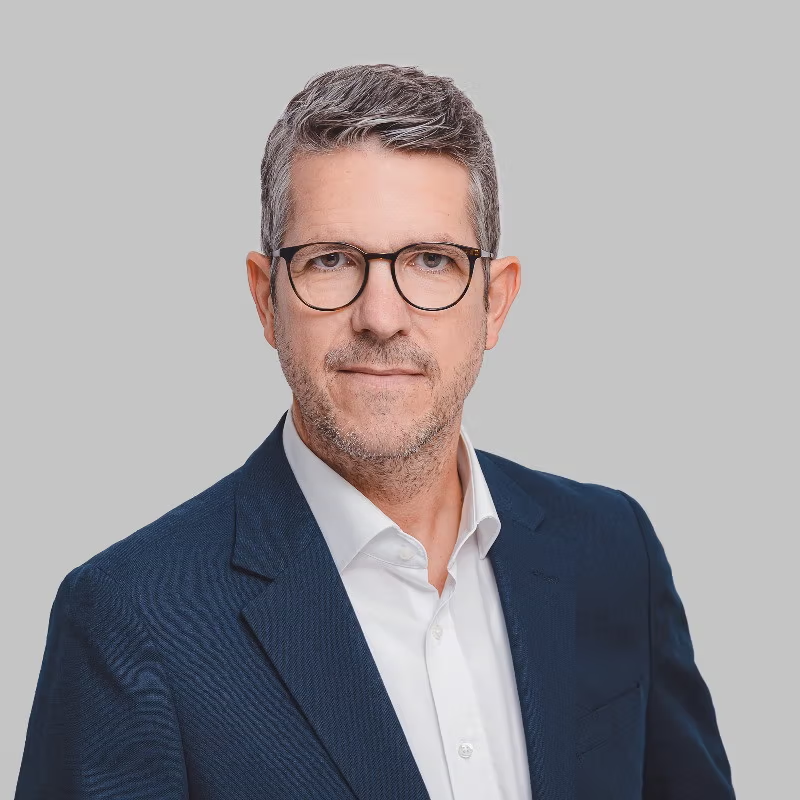
Sascha Saßen
Sascha Saßen holds a degree in nursing management (Diplom-Pflegewirt), is a certified pain expert (CEKIP) and has been CEO of the hesena Group since April 2025. At the Circle of Experts he spoke on pain management in inpatient long-term care and on the medication process in nursing and palliative care.
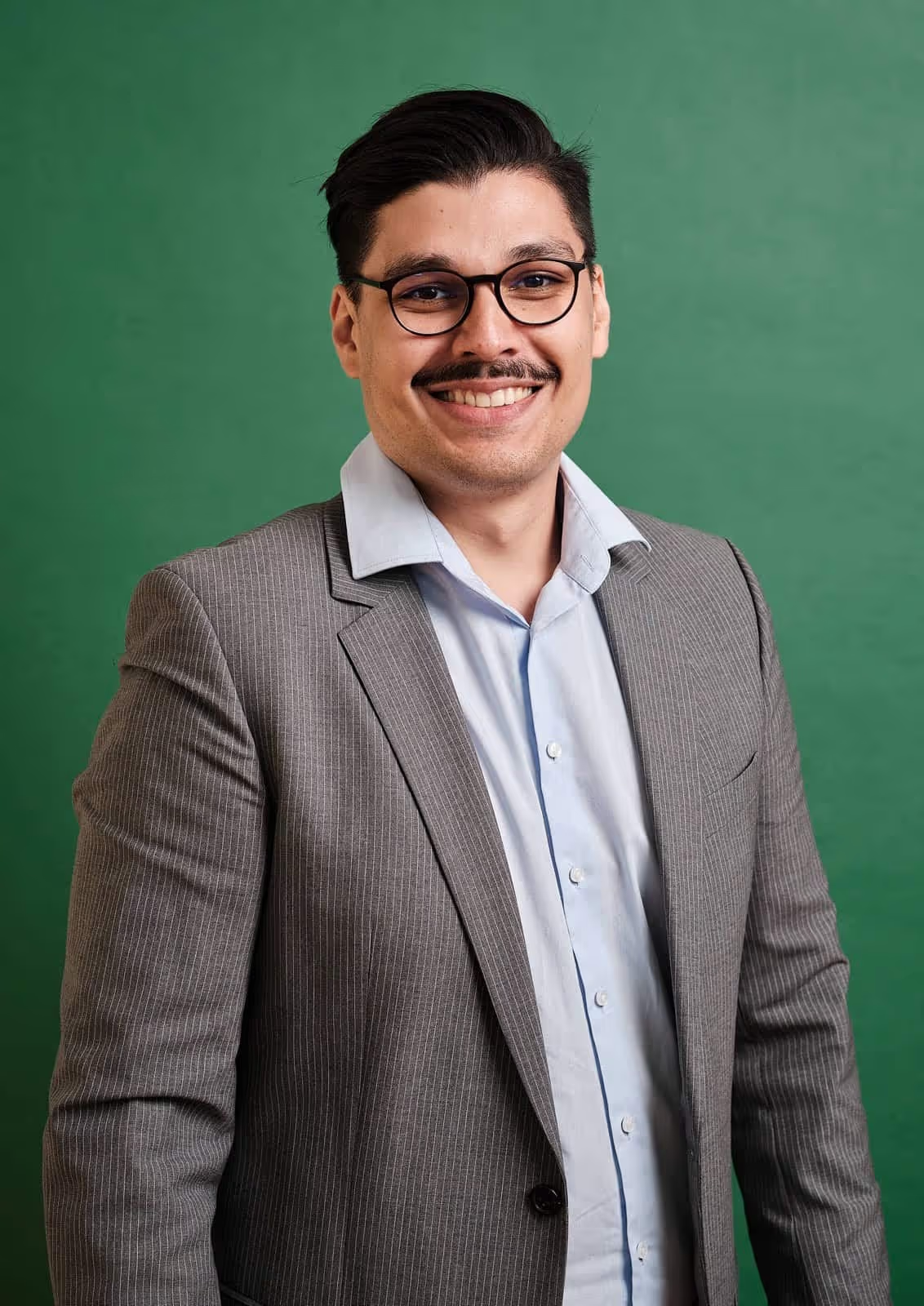
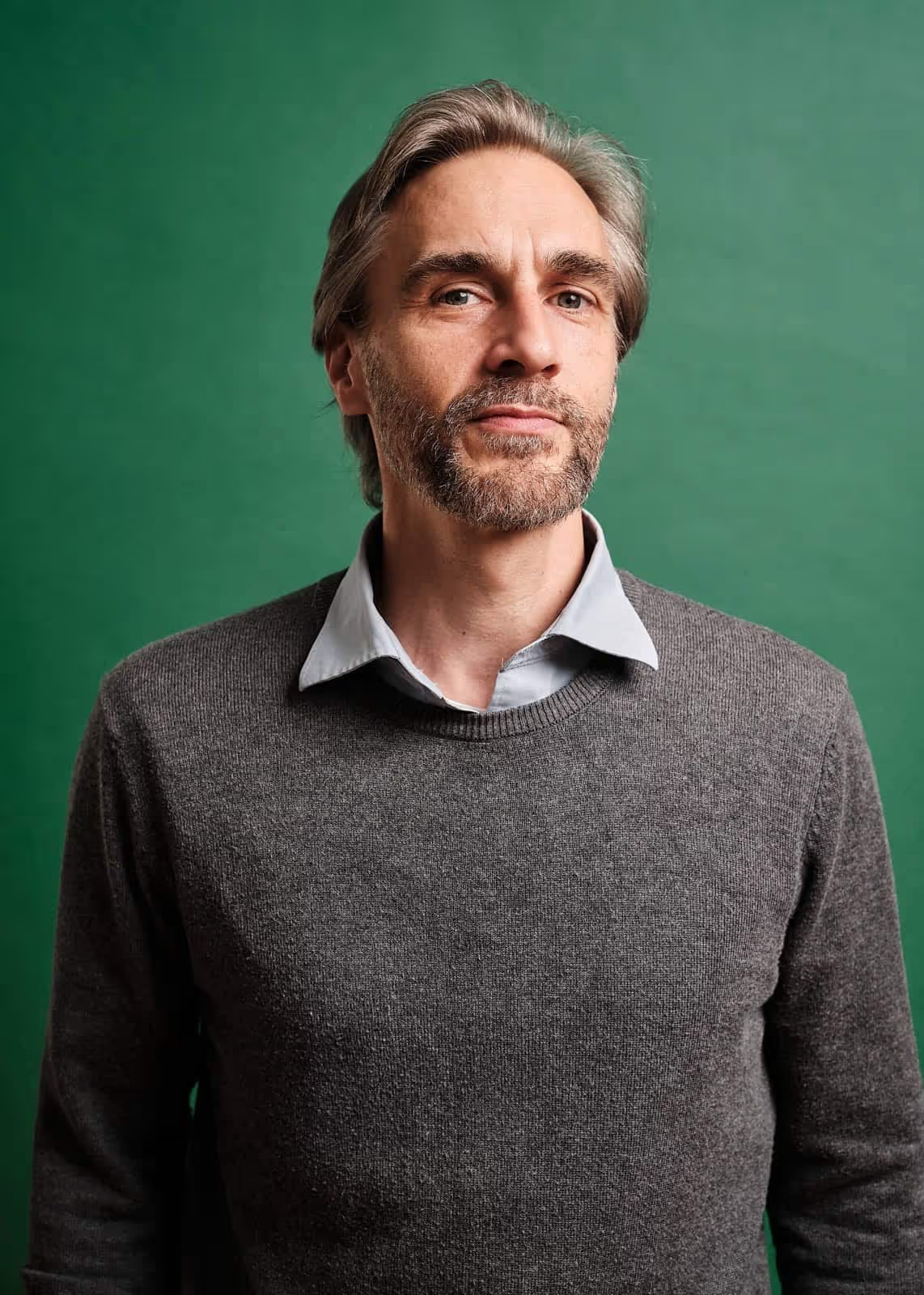
André Ihlenfeld
Dr. André Ihlenfeld is a specialist in anesthesiology and a pain physician, as well as Medical Director at Copeia, where he is responsible for projects on patient-reported data collection under cannabis therapy (including the Physicians Experience Platform). He is co-author of publications on cannabis-based medicines.
Weitere Informationen
- [00:00] — “No further clinical evidence is needed” — Nagel dares to doubt that.
- [00:29] — How much of our current knowledge is new, how much historically grounded?
- [01:14] — O'Shaughnessy's 1843 publication as the origin of cannabis pharmacology in Europe.
- [01:52] — Medicinal plant or medicine? The distinction determines the form of use.
- [03:30] — Cannabis needs the same framework and justifications as other medicines.
Ist es denn eigentlich so, dass wir schon ganz klar darüber sind? Es braucht keine weitere klinische Evidenz, wir haben genug — ob das richtig ist, wage ich zu bezweifeln. Es braucht weiterhin Ausbildung und den Austausch zwischen Kolleginnen und Kollegen der verschiedenen Fachdisziplinen innerhalb der Medizin, um die Anwendung im Alltag tatsächlich besser zu belegen und dann auch entsprechend anzuwenden.
Das Interessante für uns heute in unserer Medizin ist immer die Frage zu stellen: Wie viel von dem, was wir heute erkennen, ist ganz neu? Wie viel davon hat historischen Hintergrund? Kippen wir alles, was wir an historischem Hintergrund haben, mit einer neuen Erkenntnis einfach über Bord? Würde ich nicht so empfehlen — medizingeschichtlich macht sich das nicht gut. Aber das sind die Fragen, um die es dabei geht.
Natürlich gibt es unterschiedliche Regionen weltweit im Hinblick auf die Entwicklung von Medizin. Im Hinblick auf die Frage, in welcher Art und Weise wir zu der Beschreibung der Funktionen gekommen sind, spielt Sir William Brooke O'Shaughnessy eine wesentliche Rolle. Aus dem Jahr 1843 gibt es die erste Veröffentlichung im Kontext der Beobachtung, dass es sich hier um ein Medikament handelt — und zwar aus der Perspektive der indigenen Medizin, aus Indien kommend, der ayurvedischen Medizin, die Cannabis als Heilpflanze verwandt hat, und damit die Integration nach Europa.
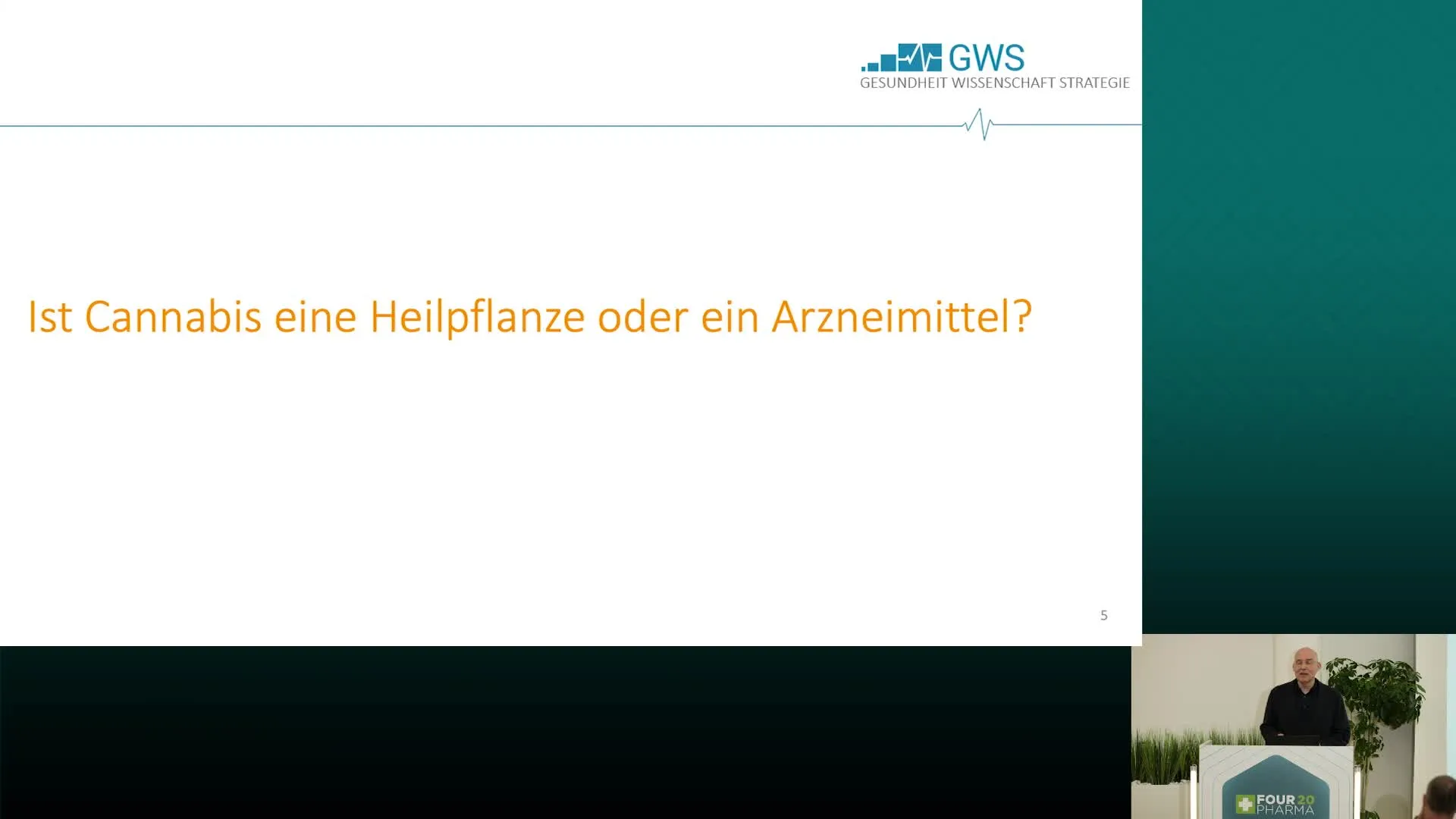
Ist Cannabis also eine Heilpflanze oder ein Arzneimittel? Das ist eine wichtige Differenzierung im Hinblick auf die Diskussion, die wir zur Verwendungsform haben. Sie sehen, dass in Thailand und in Südamerika eine entsprechende Durchdringung stattfindet. Wir haben es hier mit einem weltweiten Medikament zu tun, das in unterschiedlicher Art und Weise genutzt wird. Weltweit betrachtet haben wir keinen einheitlichen Standard im Hinblick darauf, was wir unter moderner Medizin verstehen, sondern in den Regionen durchaus unterschiedliche Ausprägungen und ein unterschiedliches Verständnis.
Wir kritisieren im Moment leider sehr intensiv die WHO — das finde ich ausgesprochen bedauerlich. Die WHO hat besonders dazu beigetragen, dass wir einen einheitlichen Gesundheitsbegriff und eine einheitliche Zielsetzung haben, was Gesundheit erreichen soll. Sie können erkennen, dass Sie in all diesen Bereichen eine Anwendung von Cannabis als Heilpflanze oder als Medikament über die letzten Jahrhunderte und Jahrtausende finden, und dass sich heute in der modernen Medizin entsprechende Rahmenbedingungen abbilden. Das bedeutet aber für uns: Gerade im Hinblick auf die Begründung, in welchen Kontexten eine Anwendung stattfinden soll, brauchen wir die gleichen Rahmenbedingungen und Begründungen, wie wir sie für andere Medikamente auch brauchen.