In Kürze
Worum geht es in dem Podcast?
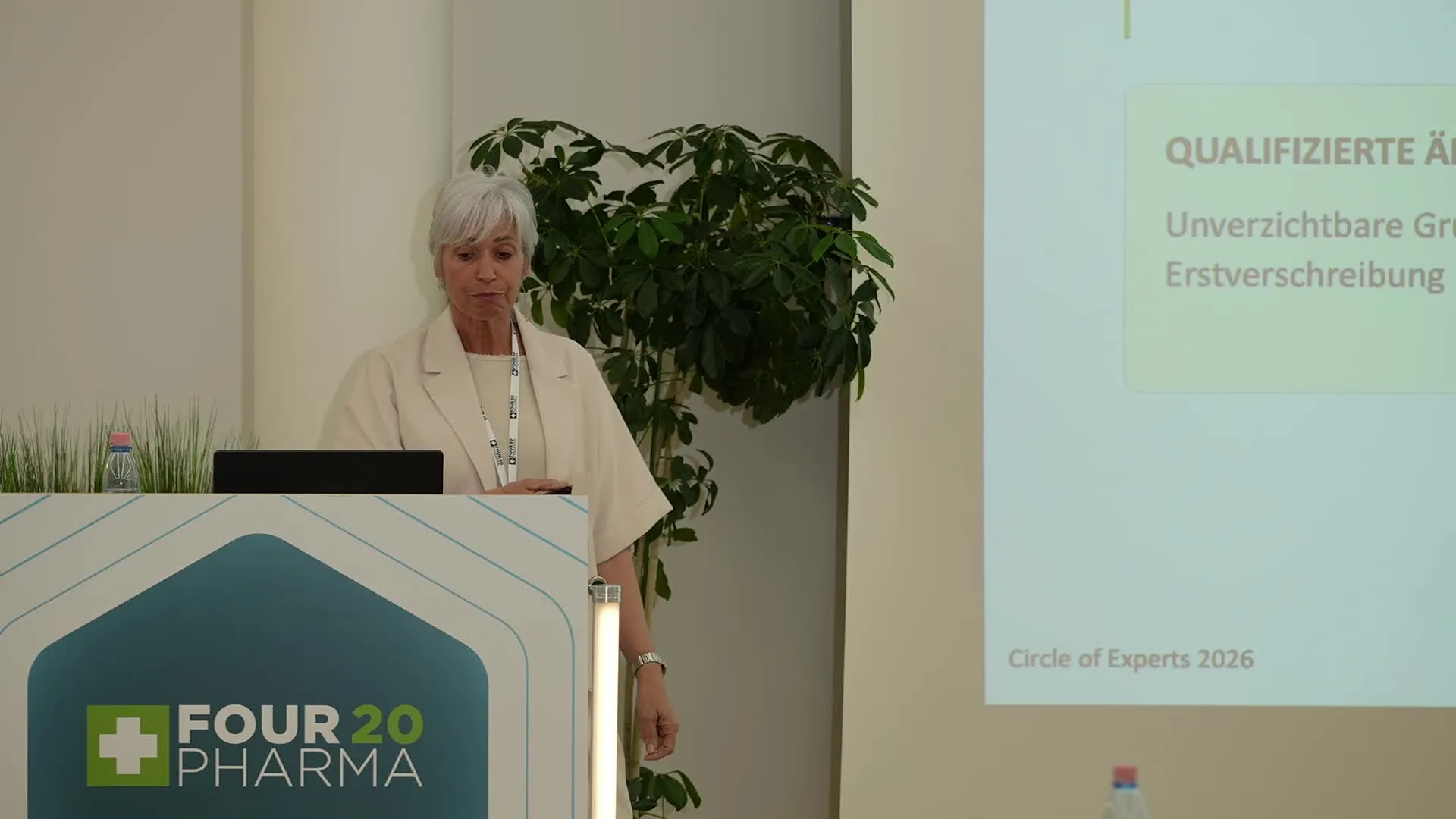
Dr. Christiane Neubaur, a pharmacist and Managing Director of the Association of Cannabis-Dispensing Pharmacies (VCA), draws a first interim assessment of the reality of care in her trailer for the Circle of Experts 2026, two years after the Cannabis Act (CanG) came into force. Removing cannabis from the Narcotics Act has noticeably reduced the documentation burden for pharmacies and prescribing doctors and made access to medical cannabis easier. At the same time, there is a marked increase in private prescriptions, which are increasingly issued via telemedicine platforms.
The core thesis of her contribution: telemedicine is indispensable as a care instrument, because there are too few prescribing doctors available locally across the country. What is decisive, however, is the integrity of the process. Prescriptions that arise solely on the basis of an online questionnaire and without an actual medical consultation are, in her view, invalid and should not be filled by pharmacies. It becomes particularly delicate with prescriptions from doctors in the European Economic Area, who are barely accessible to German supervisory authorities. Neubaur calls on pharmacists to actively question and request licenses to practice in cases of doubt.
A second strand of her talk addresses the structural separation between patient care and consumer demand. The fact that adult consumers obtain supplies via the detour of telemedicine through a pharmacy was never the intention of the law. Neubaur advocates creating dedicated access routes for consumers and integrating pharmacies as a competent interface: for education, advice, harm reduction, youth education and prevention. The professional competence exists and does not first have to be built up. The contribution thus provides a pharmaceutical inside view of the current debate and a concrete proposal for action for the next regulatory stage.
Drei Formate an einem Tag - der Circle of Experts
Fachvorträge
Klinische Praxis aus Schmerz- und Palliativmedizin, Neurologie, Pharmakologie, Pflege und Apotheke. Kurze Slots, hoher Praxisbezug, Q&A direkt im Anschluss.

Fachdiskussionen
Moderierter Austausch zwischen Klinik, Praxis, Apotheke und Pflege. Themen werden vorab gesammelt und gemeinsam priorisiert.

Netzwerken
Klinik, Praxis, Apotheke und Pflege kommen in kleinen Tischrunden gezielt miteinander ins Gespräch, vertiefen Kontakte aus dem Tagesprogramm und knüpfen neue Verbindungen.
Die Fachexpert:innen
Klinik, Forschung, Apotheke und Pflege — die Sprecher:innen kommen aus den Bereichen, in denen Medizinalcannabis täglich angewendet wird.
Prof. Dr. mult. Eckhard Nagel
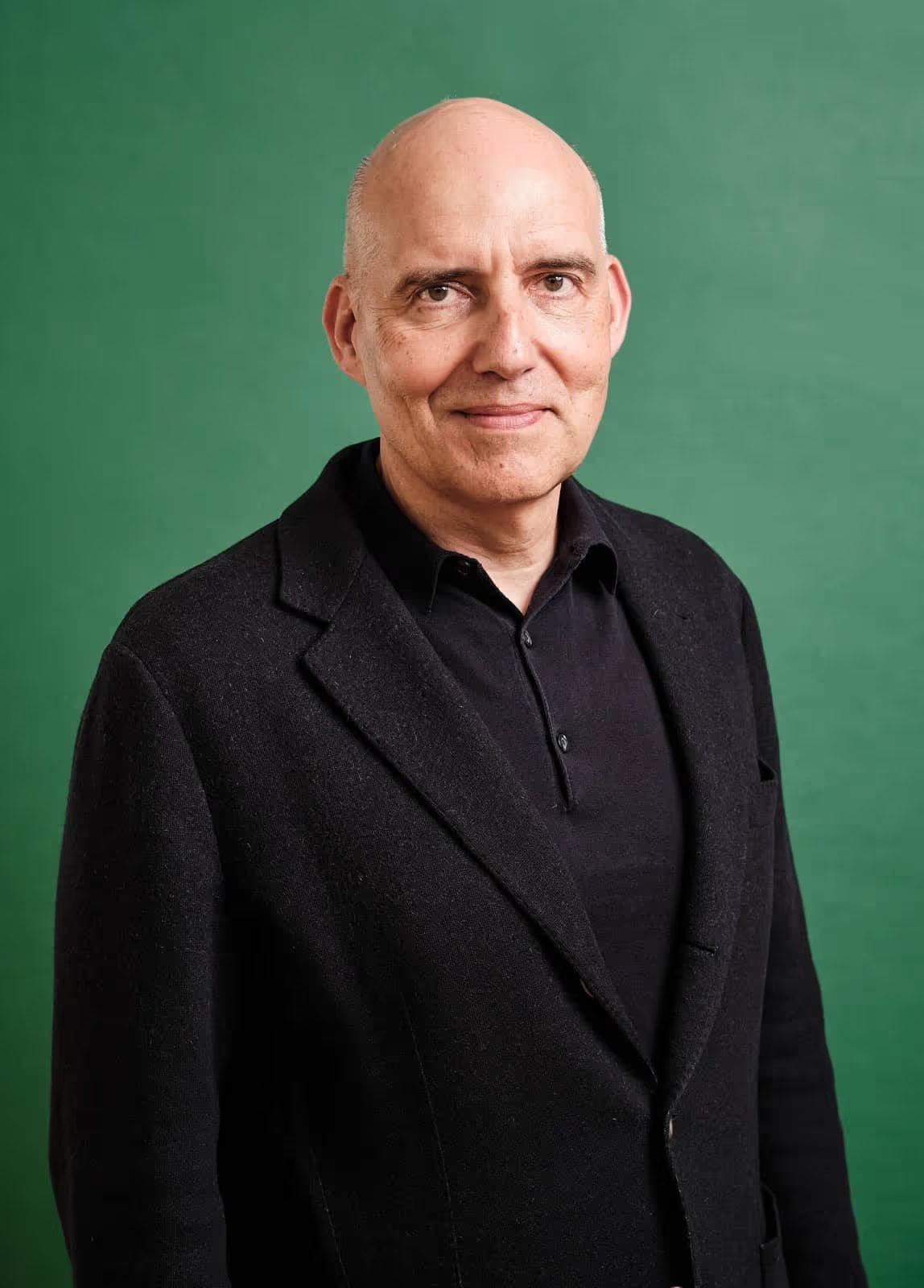
Prof. Dr. mult. Eckhard Nagel is Managing Director of the Institute of Medical Management and Health Sciences at the University of Bayreuth. At the Circle of Experts, he examines the ethical aspects of medical cannabis therapy and advocates for real-world studies.

Prof. Dr. med. Thomas Herdegen
Prof. Dr. med. Thomas Herdegen is a specialist in pharmacology and toxicology and was for many years deputy head of the Institute of Experimental and Clinical Pharmacology at UKSH Kiel. He is co-author of the Cannabis practice guideline and recipient of the German Pain Award 2024.

Dr. med. Dipl.-Chem. Konrad F. Cimander
Dr. med. Dipl.-Chem. Konrad F. Cimander is a specialist in general and addiction medicine, heads the K.C.M. Hannover Competence Center for cannabis medicine and is President of the German Medical Cannabis Society (DMCG). He is a lecturer on addiction medicine, psychopharmacology and cannabis medicine.


Dr. med. Matthias Giesel
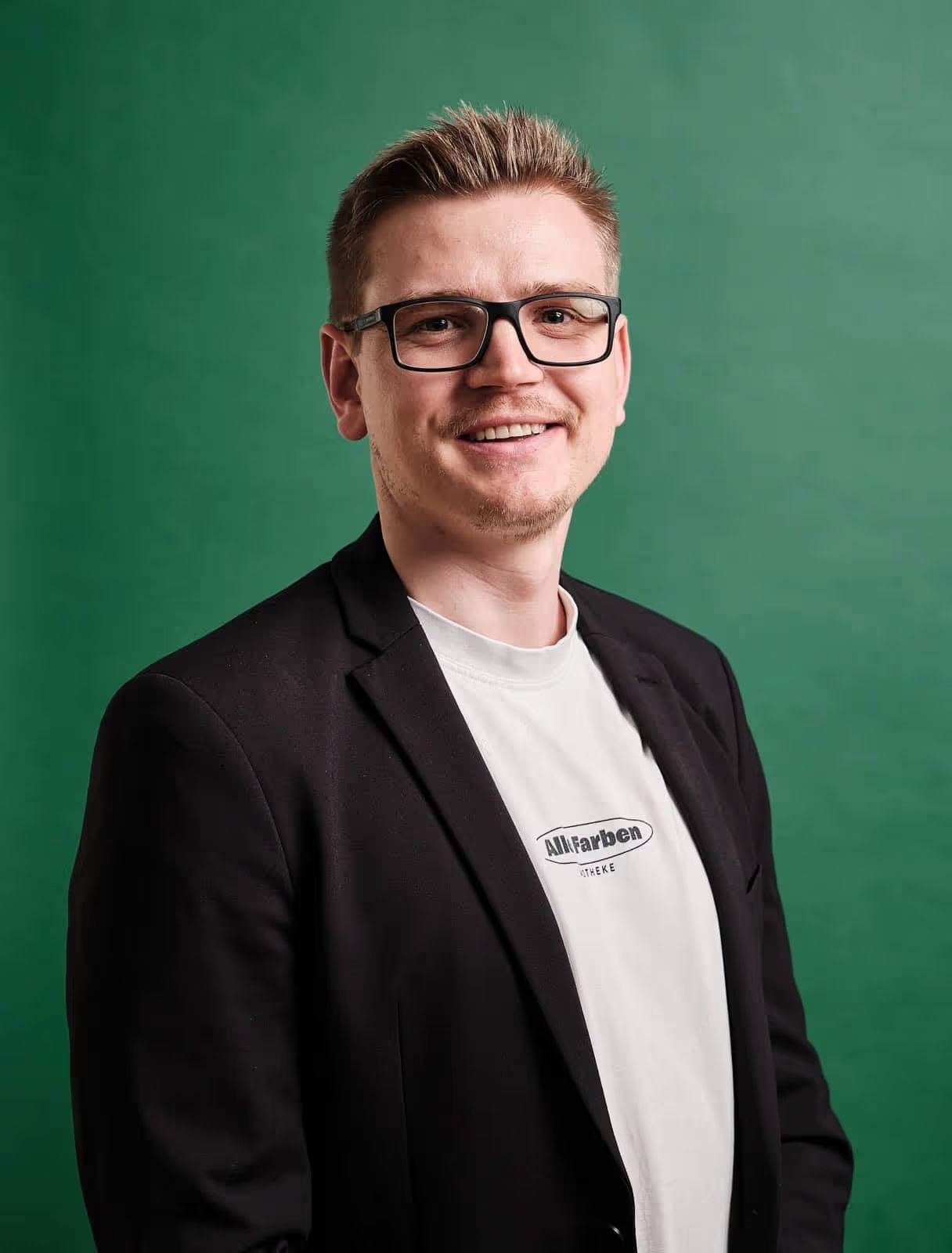
Dr. Matthias Giesel is a specialist in anesthesiology and heads the pain clinic at Marienkrankenhaus Soest as well as the practice for pain therapy and palliative medicine at the Hospitalverbund MVZ Soest. He works as a consultant to the pharmaceutical industry on medicinal cannabis.
Sascha Saßen
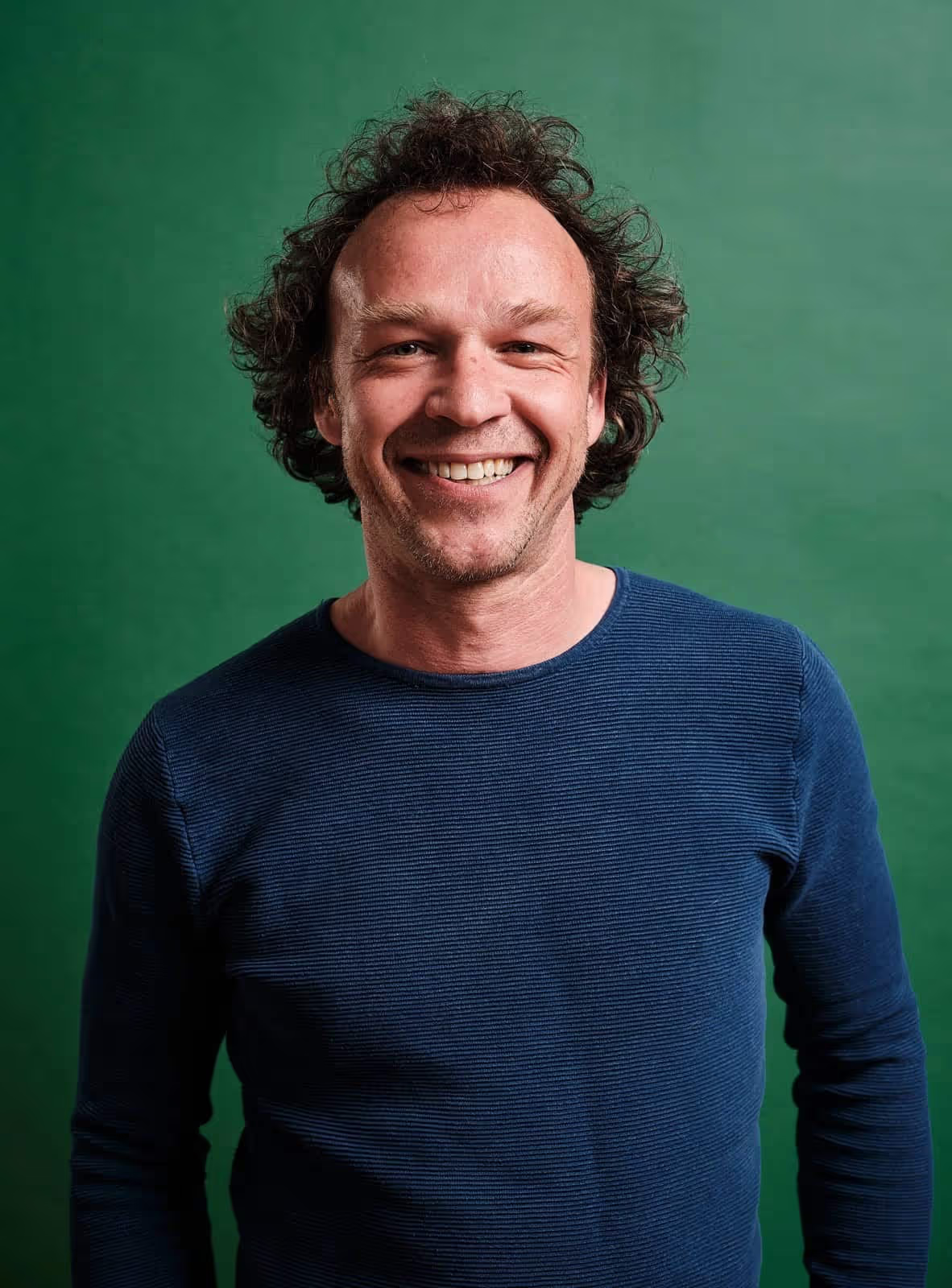
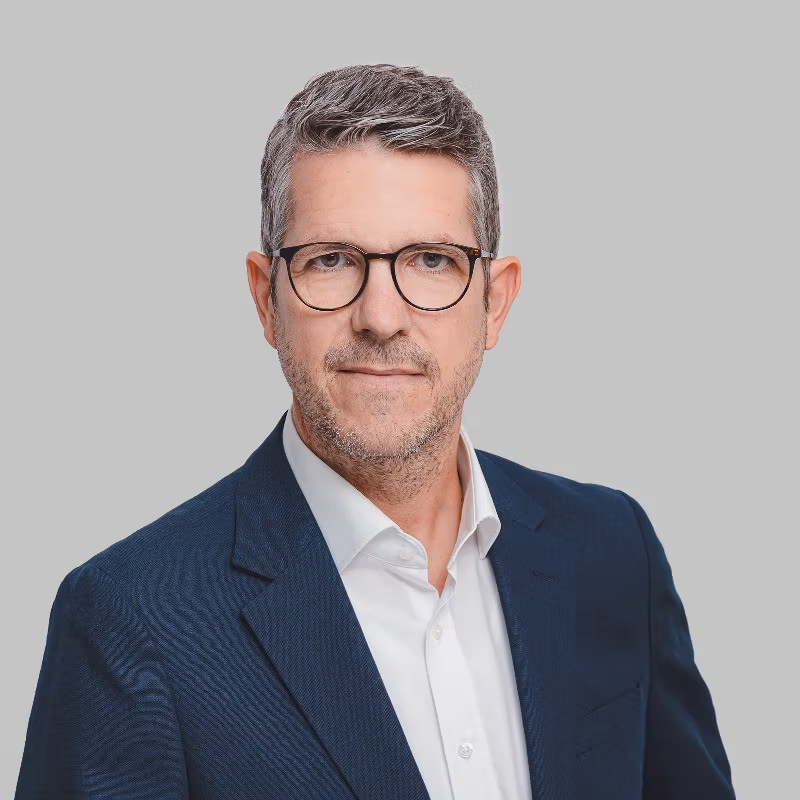
Sascha Saßen holds a degree in nursing management (Diplom-Pflegewirt), is a certified pain expert (CEKIP) and has been CEO of the hesena Group since April 2025. At the Circle of Experts he spoke on pain management in inpatient long-term care and on the medication process in nursing and palliative care.
André Ihlenfeld
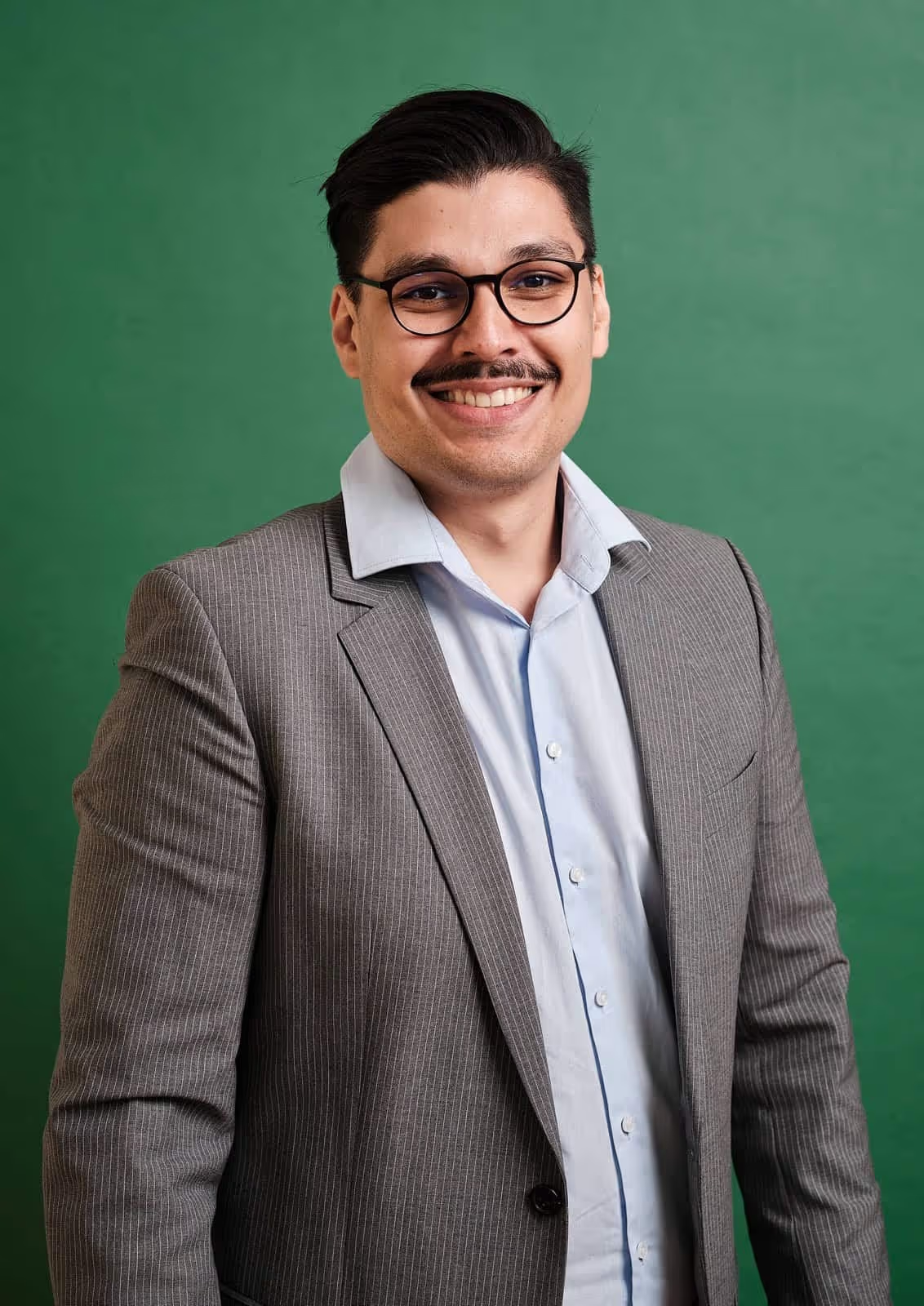
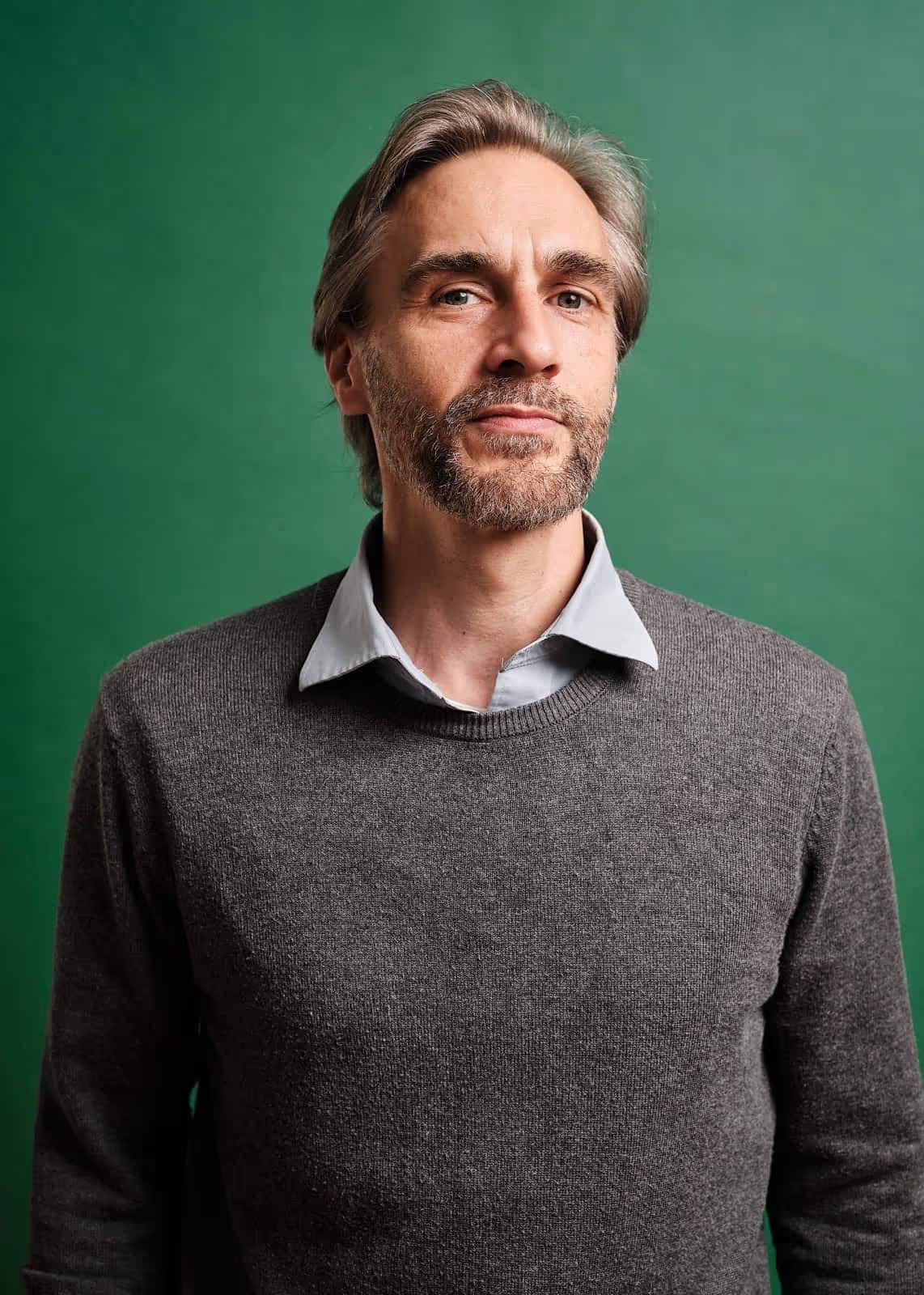
Dr. André Ihlenfeld is a specialist in anesthesiology and a pain physician, as well as Medical Director at Copeia, where he is responsible for projects on patient-reported data collection under cannabis therapy (including the Physicians Experience Platform). He is co-author of publications on cannabis-based medicines.
Weitere Informationen
- [00:07] — Cannabis out of the Narcotics Act: a simplification for pharmacies and doctors for over two years.
- [00:33] — A prescription based only on a questionnaire without a medical consultation is an invalid prescription.
- [01:14] — With unknown EEA doctors, question and request the license to practice.
- [02:30] — Quality is defined not by physical contact, but by the consultation.
- [03:23] — Pharmacies can provide education, advice, harm reduction and prevention right away.
Gucken wir uns doch mal an, was ist denn passiert seit der Verabschiedung des CanG? Cannabis wurde ja aus dem BtMG herausgenommen. Seit ueber zwei Jahren haben wir das jetzt, und es hat fuer uns natuerlich eine Vereinfachung gebracht, auch fuer die Aerzte. Der Dokumentationsaufwand ist insgesamt geringer geworden. Was wir natuerlich haben, ist ein starker Anstieg von Privatverschreibungen. Das werden Sie mit Sicherheit alle festgestellt haben.
Nur ganz kurz zusammengefasst: Wenn Ihnen bewusst ist, dass ein Rezept nur aufgrund eines Fragebogens entstanden ist, ohne ein telemedizinisches Gespraech mit einem Arzt, dann ist das eigentlich ein ungueltiges Rezept. Wenn Sie davon Kenntnis haben, dass das so ist, sollten Sie dieses Rezept nicht beliefern. Und ja, eventuell sagen Sie: Okay, von dem Arzt habe ich noch nie etwas gehoert, weil der irgendwo aus dem europaeischen Wirtschaftsraum kommt und Sie vielleicht nicht einmal den Namen aussprechen koennen. Dann duerfen Sie natuerlich hinterfragen: Existiert da ueberhaupt eine Approbation? Um sich rueckzuversichern, koennen Sie diese Approbation auch anfordern.
Verstehen Sie mich nicht falsch: Die telemedizinischen Plattformen brauchen wir, weil wir einfach viel zu wenig Aerzte vor Ort haben, die versorgend oder verschreibend taetig sind. Ohne die werden wir nicht auskommen. Aber bitte serioes gemacht, sodass wir uns in der Apotheke darauf verlassen koennen, dass dieses Rezept rechtmaessig und sauber zustande gekommen ist. Das ist fuer uns wichtig, und das ist einfach ganz normale aerztliche Verantwortung, der man nachkommen sollte. Eigentlich braeuchte ich gar nicht darueber sprechen, wenn es nicht leider doch auch anders liefe. Das sind oft Aerzte, die im europaeischen Wirtschaftsraum sitzen und so vielleicht gar nicht greifbar sind fuer unsere Aufsichtsbehoerden.
Ganz wichtig ist mir: Qualitaet definiert sich nicht durch den Inhalt des aerztlichen Kontaktes. Es ist nicht wichtig, dass der Patient physisch da ist, es sei denn, es muessen Untersuchungen stattfinden, sondern das Gespraech ist entscheidend. Es war natuerlich nicht Sinn dieser ganzen Sache, dass sich Konsumenten ueber den Umweg Telemedizin ueber die Apotheke versorgen muessen. Wir muessen einfach andere Zugangswege schaffen, auch fuer Konsumenten, um wieder eine klare Trennung zu erreichen zwischen Patienten und Konsumenten. Das ist ja auch das, was gerade der Politik so aufstoesst, dass sie sagt: Naja, gerade bei den Blueten sind ganz viele Konsumenten dabei.
Das ist wichtig, denn wenn das jemand kann, sind wir das in der Apotheke. Wir koennen aufklaeren, wir koennen beraten, wir wissen, was wir tun. Wir machen Harm Reduction, Jugendaufklaerung, Praevention. All das koennen wir von jetzt auf gleich starten, weil wir es einfach koennen. Es muss nicht angelernt werden, das ist Fachwissen. Daher waere das ein Vorschlag. Es waere einfach schoen, wenn es in diese Richtung der Oeffnung gehen wuerde, sodass wir in der Apotheke weiterhin stabil dabei sind.